Navigating the complexities of commercial landscape maintenance can often feel overwhelming. Each property has its unique requirements, influenced by factors such as location, climate, and intended use. A tailored landscape plan not only enhances the aesthetics of your commercial property but also promotes environmental sustainability and increases its overall value. To create an effective landscape maintenance program, it is essential to thoroughly assess your specific needs.
Understanding Your Property's Unique Characteristics
Before diving into specific services or maintenance schedules, take a moment to evaluate the characteristics of your property. This initial assessment provides a foundation for developing a customized landscape maintenance program that aligns with your goals.
Site Evaluation
Begin by conducting a thorough site evaluation. Identify key features such as:
- Soil Type: The composition of soil affects drainage and plant health. Sandy soils may require different plants compared to clay-heavy soils. Sunlight Exposure: Different areas of your property may receive varying amounts of sunlight throughout the day, impacting plant choices. Water Sources: Consider existing water features or irrigation systems that can be leveraged in your landscape plan. Existing Flora: Take note of any mature trees, shrubs, or perennials that you want to preserve or incorporate into the new design.
This Go to this website evaluation will help you understand what elements need enhancement and what aspects can be preserved or utilized.
Climate Considerations
Your local climate plays a significant role in determining what plants will thrive and how often maintenance is required. For instance, properties in arid regions may prioritize drought-resistant plants and xeriscaping techniques, while those in temperate zones may focus on seasonal color through perennials and annuals. Seasonal changes dictate not just plant selection but also maintenance schedules, from snow removal in winter to leaf management in fall.
Defining Goals for Your Landscape
Once you have a solid understanding of your property's unique characteristics and local climate conditions, it is time to define your goals for the landscape plan. Establishing clear objectives guides every aspect of your landscape design and maintenance program.
Aesthetic Appeal vs. Functionality
Consider whether aesthetic appeal or functionality is more important for your space. For example, if you are managing an office park, creating inviting outdoor spaces where employees can gather might take precedence over elaborate garden designs. In contrast, a retail center might prioritize eye-catching landscaping that draws customers in.
Sustainability Objectives
Increasingly, businesses are looking to adopt sustainable practices within their landscape plans. This could include using native plants that require less water or implementing rain gardens to reduce runoff. By prioritizing sustainability in your goals, you contribute positively to environmental conservation while potentially reducing long-term maintenance costs through efficient resource use.
Budget Constraints
Budget considerations will inevitably shape your decisions throughout this process. Determine how much you are willing to invest in both initial setup costs and ongoing maintenance services. Comparing potential costs against expected benefits—like increased foot traffic or improved employee satisfaction—can guide these financial decisions effectively.
Selecting Maintenance Programs That Fit Your Needs
With goals clearly outlined and an understanding of your property’s specifics established, it’s time to explore suitable commercial landscape maintenance programs tailored to meet those needs.
Types of Maintenance Services
The spectrum of available services can be extensive; however, focusing on key categories helps narrow down options:
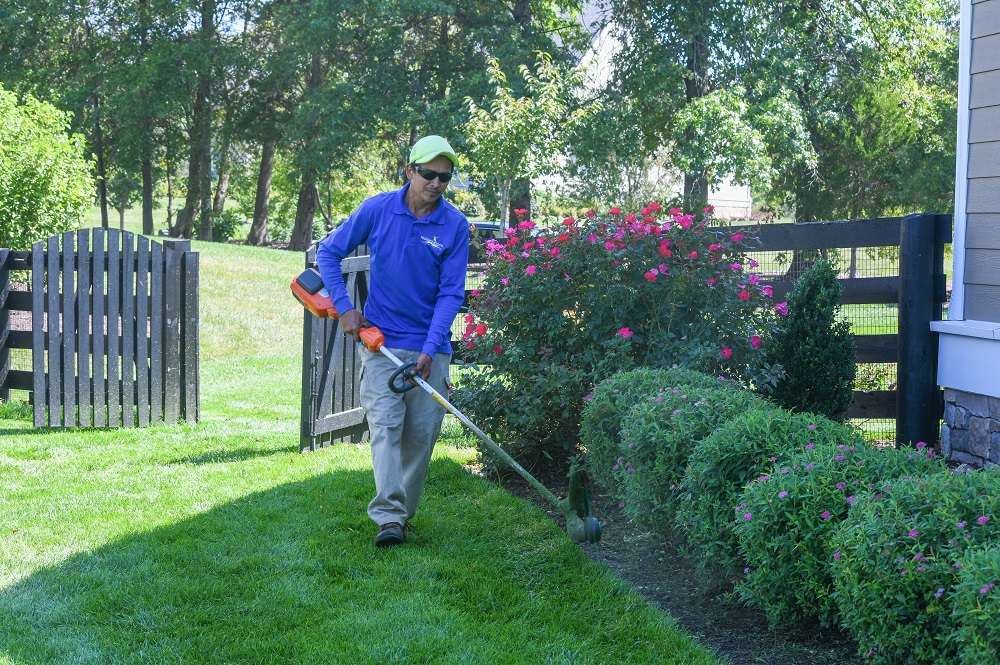
Full-Service Landscape Maintenance: This option includes everything from mowing lawns and trimming hedges to fertilization and pest control. Routine Grounds Maintenance: These scheduled visits ensure regular upkeep without necessarily involving comprehensive redesigns. Preventative Landscape Maintenance: A proactive approach aimed at identifying issues before they escalate into costly problems. Managed Landscape Services: Outsourcing all aspects of landscaping allows for professional oversight without requiring internal resources. Customized Maintenance Programs: Tailoring services specifically based on seasonal requirements or special events ensures that unique needs are met throughout the year.When evaluating these options, consider how frequently services should be provided—whether weekly visits are necessary during peak seasons or if monthly check-ins would suffice during cooler months.
Crafting a Schedule
The frequency of scheduled landscape maintenance depends largely on the type of plants selected and the local climate conditions affecting growth cycles. A robust schedule might include:
- Weekly lawn care during growing seasons Monthly pruning sessions for shrubs Seasonal cleanups post-fall foliage Regular inspections for pest control measures
By tailoring these schedules according to both seasonal changes and growth patterns observed on-site, you enhance both efficiency and effectiveness within your overall approach.
Building Partnerships with Landscape Professionals
Choosing the right professionals plays a critical role in executing your customized landscape plan successfully. When selecting contractors or service providers, consider their experience working with similar properties or industries; this ensures they understand unique challenges specific to commercial landscapes.
Evaluating Potential Partners
Look for companies that offer comprehensive assessments as part of their proposals—this indicates they prioritize understanding each client’s individual needs rather than applying generic solutions across all projects. Additionally:
- Verify their credentials and insurance coverage. Ask for references from past clients within similar sectors. Inquire about their approach towards sustainability practices if this is a priority for you.
A reliable partner will not only adhere closely to agreed-upon terms but also provide insights based on industry trends that could benefit your ongoing landscape care programs over time.
Monitoring Success Over Time
After implementing tailored landscaping solutions through effective partnership arrangements alongside well-defined goals—monitoring success becomes paramount moving forward.
Tracking Performance Metrics
Establish performance metrics early on so you can evaluate effectiveness objectively over time:
- Assess visual appeal periodically against initial aesthetic goals set forth at project inception. Track operational costs against budgets allocated initially—ensuring alignment between expenditures versus anticipated returns remains intact. Gauge employee satisfaction through surveys focused specifically around outdoor spaces—uncovering how well these enhancements foster improved morale among teams working onsite regularly!
Regular evaluations allow adjustments where needed while identifying opportunities further enhance outcomes achieved thus far!
Ultimately assessing needs thoroughly upfront sets an invaluable foundation leading towards successful execution ongoing thereafter! Investing time upfront pays off manifold down road ahead ensuring optimal results yield desired returns!